
Science | Supplements
Probiotics
Probiotics have garnered interest for their potential impacts on lifespan and aging. While current research primarily focuses on their effects on digestive health and immunity, some studies suggest that probiotics might influence longevity. The mechanisms are still under investigation, but maintaining a healthy gut microbiota through probiotic use may contribute to longevity by supporting metabolic health and reducing inflammation, which are crucial factors in aging processes.
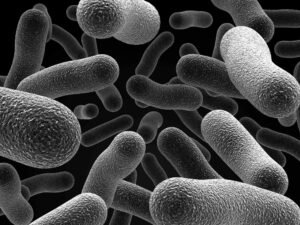
Mechanisms of Probiotics in Extending Lifespan
Reduction of Oxidative Stress:
Mechanism: Probiotics can decrease the levels of reactive oxygen species (ROS) and enhance antioxidant defenses. Example: Lacticaseibacillus rhamnosus and Lacticaseibacillus delbrueckii were found to increase the expression of the skn-1 gene, which encodes antioxidant proteins and enhances the antioxidant response in Caenorhabditis elegans (Chelombitskaya et al., 2023).
Anti-inflammatory Effects:
Mechanism: Probiotics can reduce chronic low-grade inflammation, also known as inflammaging, which is a major contributor to aging and age-related diseases. Example: Bacillus subtilis reduced markers of inflammation and extended lifespan by downregulating the insulin-like signaling pathway in C. elegans (Ayala et al., 2017).
Senescence and Cellular Health:
Mechanism: Probiotics can help clear senescent cells, which contribute to aging and various age-related diseases. Example: Bifidobacterium animalis subsp. lactis LKM512 increased intestinal polyamine levels, which are associated with reduced systemic inflammation and better maintenance of intestinal health in mice (Matsumoto et al., 2011).
Modulation of Immune Responses:
Mechanism: Probiotics enhance innate immunity and modulate the expression of immune-related genes. Example: Enterococcus faecium increased immune cell proliferation and cytokine production, which contributed to extended lifespan in C. elegans (Sim et al., 2018).
Enhancement of Gut Health:
Mechanism: Probiotics improve gut integrity and function, which are crucial for overall health and longevity. Example: Lactobacillus plantarum enhanced gut integrity by upregulating the expression of intestinal tight junction proteins and reducing gut permeability in C. elegans (Kumar et al., 2022).
Activation of Longevity Pathways:
Mechanism: Probiotics activate conserved longevity pathways such as the insulin/IGF-1 signaling pathway and the p38 MAPK pathway. Example: Probiotic strains from traditionally fermented foods activated the p38 MAPK-SKN-1 pathway and other signaling pathways, significantly extending the lifespan of C. elegans (Govindhan et al., 2023).
PUBLICATIONS
New
Bifidobacterium animalis subsp. lactis Probio-M8 enhances chondroitin efficacy for knee osteoarthritis in postmenopausal women via the gut-joint axis.
mSystems. 2025 Dec 17;10(12):e0086225.
Design: Sixty-five postmenopausal women with knee osteoarthritis were randomized to Probio-M8 plus chondroitin sulfate or placebo plus chondroitin sulfate for 3 months, then followed for 1 month off the probiotic.
Summary: Probio-M8 plus chondroitin lowered WOMAC scores versus chondroitin plus placebo at months 1, 3, and 4 (P < 0.001). Serum IFN-γ fell, IL-4 and IL-10 rose, and gut species and metabolites shifted in the probiotic group.
New
Multi-strain probiotic intervention in adults with depressive and anxiety symptoms: A 12-Week pilot study.
Transl Psychiatry. 2026 Aug 06;16(1):497.
Design: This open-label pilot gave 30 adults with depressive and anxiety symptoms a daily multi-strain probiotic. There was no placebo group.
Summary: In this open-label pilot, a multi-strain probiotic significantly reduced HDRS, HAM-A, GAD-7, and CGI scores in 30 adults (all p < 0.01). There was no placebo group; minor gastrointestinal effects occurred in 10%.
Improvements to postprandial glucose control in subjects with type 2 diabetes: a multicenter, double blind, randomized placebo-controlled trial of a novel probiotic formulation
BMJ Open Diabetes Res Care. 2020 Jul;8(1):e001319.
Design: Randomized Controlled Trial
Summary: A study investigated the impact of specific gut bacteria on glycemic control in type 2 diabetes. Over 12 weeks, participants taking the probiotic WBF-011, which contains inulin, Akkermansia muciniphila, Clostridium beijerinckii, Clostridium butyricum, Bifidobacterium infantis, and Anaerobutyricum hallii, showed significant improvements in glucose control and a reduction in glycated hemoglobin (A1c) by -0.6. The intervention was safe and well-tolerated, indicating the need for further research.
Conflict of interest statement: Competing interests: All authors are employees and stock/stock option shareholders of Pendulum Therapeutics, Inc (formerly known as ‘Whole Biome Inc.’). OK owns stock in GlySens, Inc, has stock options in ViaCyte, Inc, and is a consultant to NuSirt BioPharma, Circius, and NanoPrecision Medical.
